What is IPL Treatment?
Intense Pulsed Light (IPL) therapy uses controlled pulses of broad-spectrum light to target inflammation and abnormal blood vessels around the eyelids. These vessels are often a key contributor to chronic dry eye, as they release inflammatory mediators that interfere with healthy tear production and oil secretion.
Unlike laser treatments, which use a single, focused wavelength of light, IPL delivers multiple wavelengths in one pulse. This allows IPL to treat a wider range of underlying causes associated with dry eye disease, including inflammation, poor oil gland function, and eyelid margin issues. IPL is not a surgical or cosmetic laser and does not penetrate the eye itself.
IPL is most commonly used to treat evaporative dry eye caused by meibomian gland dysfunction (MGD). By gently heating and stimulating the glands, IPL helps restore normal oil flow into the tear film, improving tear stability and reducing symptoms such as burning, redness, irritation, and fluctuating vision.
IPL Treatment at Dry Eye Centre
At Dry Eye Centre, IPL treatment is delivered as part of a specialist, evidence-based approach to managing dry eye disease. Unlike many optometry practices, dry eye is our core focus – not an add-on service. This allows us to offer a deeper level of assessment, expertise, and personalised care.
We are unique in that every IPL treatment is carried out by the specialist – never delegated.
Every IPL patient undergoes a comprehensive dry eye evaluation before treatment begins. This includes advanced diagnostic imaging to assess tear quality, gland health, and the severity of inflammation. Your treatment plan is then tailored to your specific condition rather than using a one-size-fits-all approach.
Our clinicians have extensive experience in managing complex and long-standing dry eye cases, including patients who have not found relief with drops alone. IPL is often combined with complementary therapies, such as meibomian gland expression and tailored home care, to achieve the best possible outcomes.
Our IPL Experience
The First UK Clinic to Adopt IPL
Dry Eye Centre has been using IPL to treat dry eye since 2014. We were the first clinic in the UK to adopt the technology for the treatment of dry eye.
- 1st to provide E>Eye IPL device in 2014 (now known as IRPL)
- 1st to provide Lumenis M22™ IPL
- 1st to provide Lumenis OptiLIGHT
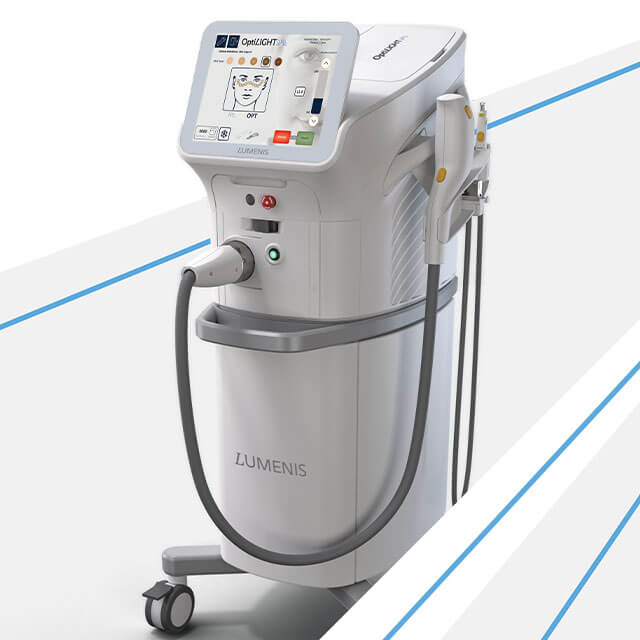
OptiLIGHT by Lumenis
Our clinic have opted for Lumenis IPL technology as they are multi-application machines that are also designed for use on the treatment of various dermatological conditions including Facial Rosacea. Settings can be precisely calibrated to alter the way the energy is delivered and tailored to the individual. Rather than a single flash per pulse, the energy is divided up into shorter separate flashes. This method minimises the impact the heat has to the epidermis of the skin so that more pulses can be performed per session. Changeable parameters also mean that the settings can be altered to safely provide IPL treatments for a wider range of skin pigment types.
Expert Knowledge
The use of IPL for the treatment of dry eye was first pioneered by American Ophthalmologist Dr Rolando Toyos. In 2001, he used IPL to treat abnormal telangiectasias of the skin in patients with rosacea. He noticed that some of his patients with meibomian gland dysfunction reported that not only had their skin improved but also their dry eye symptoms. He worked with Lumenis to develop the M22™ and OptiLIGHT protocol settings for the optimal and safe treatment to the eye lid margins.
Lumenis OptiLIGHT IPL
Safe IPL treatment direct to the upper lids
The First UK Clinic to offer OptiLIGHT
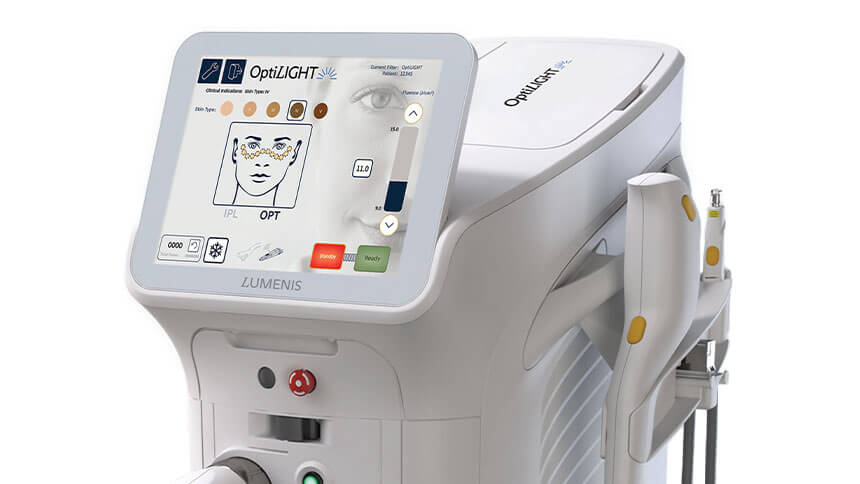
In 2021 Dry Eye Centre was the first to acquire the Lumenis OptiLight IPL in the UK. This machine uses Lumenis’ patented Optimal Pulse Technology™ and is the first IPL FDA approved management of Dry Eye conditions.
OPT™ Handpiece
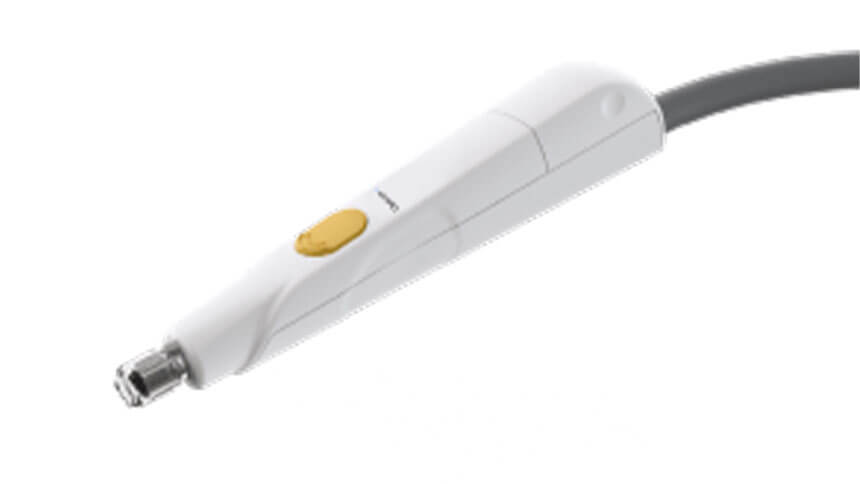
The innovative addition to this device is its Patented OPT™ Handpiece. This enables safer and more effective treatments closer to the lid margins.
Safe IPL Treatment
With the Patented Optimal Pulse Technology™ and Patented OPT™ Handpiece we use the OptiLight device to safely provide IPL treatment directly to the upper lids in a wider range of patients.
What to Expect
Your IPL treatment journey begins with a detailed consultation and assessment to confirm suitability and establish a personalised treatment plan. On the day of treatment, protective eye shields are applied, and a cooling gel is placed on the skin around the eyes.
Gentle pulses of light are delivered to the treatment area, usually taking around 10-15 minutes per session. Most patients describe the sensation as warm with mild snapping, but it is generally very well tolerated.
Following IPL, the clinician may perform meibomian gland expression to help clear blockages and maximise the benefits of treatment. There is little to no downtime, and most patients can return to normal activities the same day. Aftercare advice may include avoiding direct sun exposure for a short period and continuing a tailored dry eye management routine at home.
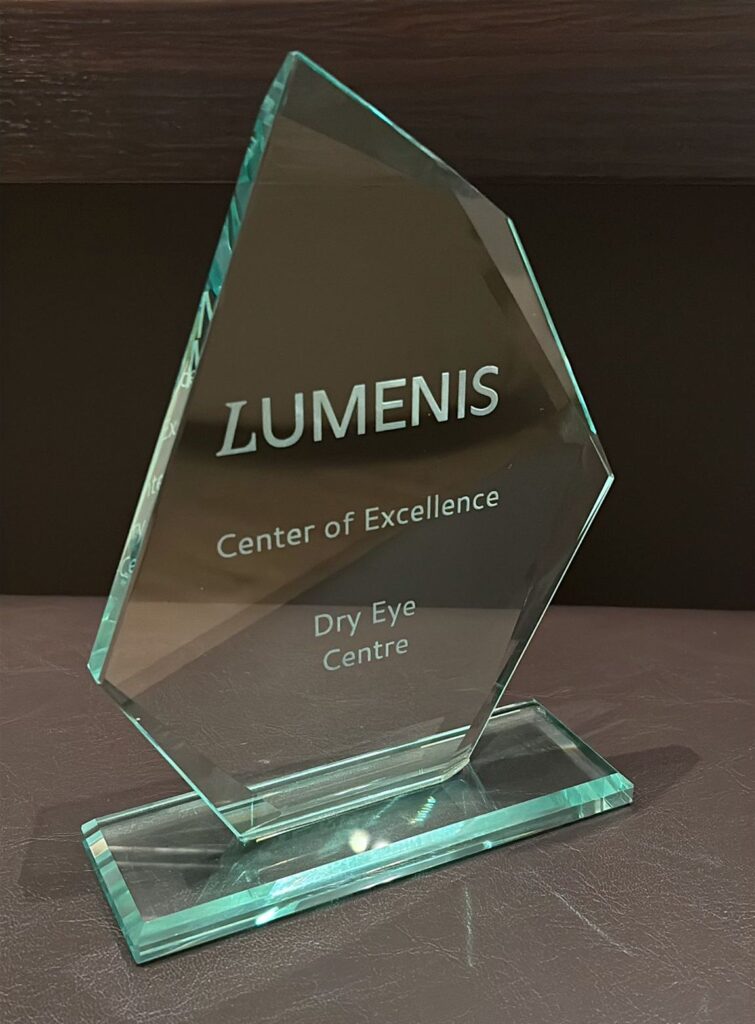
Center of Excellence
At Dry Eye Centre we are proud to have been recognised with the prestigious “Center of Excellence” award from Lumenis. This recognition reflects our commitment to delivering advanced, evidence-based care for patients with dry eye disease and meibomian gland dysfunction using leading diagnostic technology and treatment approaches.
As a clinic actively involved in supporting ongoing education and hands-on workshops for clinicians using OptiLIGHT by Lumenis, it is especially rewarding to be recognised as a stand-out centre within the field of dry eye treatment. The award highlights our dedication to clinical excellence, patient care, and continued investment in advanced dry eye therapies for patients travelling to us from across the UK and abroad.
IPL FAQs
IPL may not be suitable for certain skin types, during pregnancy, or for patients with specific medical or skin conditions. Suitability is assessed during consultation.
Side effects are usually mild and temporary, such as slight redness or warmth in the treated area.
Some health insurance providers may offer partial reimbursement. We recommend checking directly with your insurer.
No referral is needed. You can book directly with Dry Eye Centre.
Each session typically takes around 20–30 minutes. Most treatment plans involve a course of 4-6 sessions spaced a few weeks apart.
Many patients experience long-lasting improvement, particularly when IPL is combined with ongoing dry eye management.
IPL uses controlled pulses of broad-spectrum light applied to the skin around the eyes to reduce inflammation and improve gland function.
Costs vary depending on your treatment plan. Full pricing is discussed during your consultation.
There is minimal downtime. Patients are advised to avoid strong sunlight and follow their personalised home care routine.
The process includes a detailed assessment, a series of IPL treatment sessions, and tailored aftercare advice to maintain results.
IPL is most effective for evaporative dry eye, meibomian gland dysfunction, ocular rosacea, and chronic eyelid inflammation.
We offer specialist dry eye expertise, advanced diagnostics, and personalised treatment plans focused on long-term symptom relief.
IPL may not be suitable for certain skin types, during pregnancy, or for patients with specific medical or skin conditions. Suitability is assessed during consultation.
Side effects are usually mild and temporary, such as slight redness or warmth in the treated area.
Some health insurance providers may offer partial reimbursement. We recommend checking directly with your insurer.
No referral is needed. You can book directly with Dry Eye Centre.
Each session typically takes around 20–30 minutes. Most treatment plans involve a course of 4-6 sessions spaced a few weeks apart.
Many patients experience long-lasting improvement, particularly when IPL is combined with ongoing dry eye management.
IPL uses controlled pulses of broad-spectrum light applied to the skin around the eyes to reduce inflammation and improve gland function.
Costs vary depending on your treatment plan. Full pricing is discussed during your consultation.
There is minimal downtime. Patients are advised to avoid strong sunlight and follow their personalised home care routine.
The process includes a detailed assessment, a series of IPL treatment sessions, and tailored aftercare advice to maintain results.
IPL is most effective for evaporative dry eye, meibomian gland dysfunction, ocular rosacea, and chronic eyelid inflammation.
We offer specialist dry eye expertise, advanced diagnostics, and personalised treatment plans focused on long-term symptom relief.